

Why You Should Prioritize Sleep Over Exercise for Optimal Health
For years, we have been told to move more, sweat daily, and never skip a workout. Sleep often gets treated like spare change, nice to have but easy to cut when life gets busy. New research shifts that thinking on its head. When sleep and exercise compete for your time, sleep wins, and not by a small margin.
Sleep is the engine of recovery. Remove it, and exercise loses much of its effectiveness. It is the foundation that allows physical effort to translate into real gains.
While you sleep, the heart repairs itself, immune defenses reset, and the brain clears metabolic waste that would otherwise dull focus and disrupt mood. When sleep is short or inconsistent, those systems begin to falter almost immediately.
Research from Oregon Health & Science University found that getting enough sleep has a stronger link to longer life than diet or physical activity. Only smoking ranked worse than poor sleep. That says a lot. Chronic nights under seven hours raise the risk of high blood pressure, weight gain, type 2 diabetes, and heart disease.
Sleep also controls hormones that affect hunger, stress, and energy. When sleep drops, cortisol climbs. Cravings hit harder. Motivation fades. You might still drag yourself to the gym, but your body is already working against you.
Sleep Fuels Movement, Not the Other Way Around
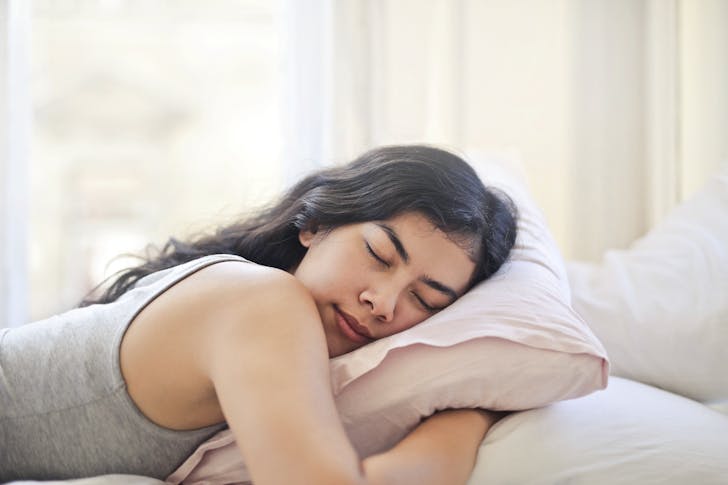
Olly / Pexels / A massive study tracking more than 70,000 people across several countries found a clear pattern. Sleep length strongly influenced how active people were the next day.
Steps taken during the day barely affected sleep that night.
Short sleep led to sluggish days. Long sleep did too. The sweet spot sat around six to seven hours, where people naturally moved more. Energy felt easier. Mood stayed higher. Motivation showed up without a fight.
This tells us something important. Sleep sets the ceiling for how active you can be. When you sleep well, exercise feels doable. When you do not, even light movement feels heavy. Good sleep sharpens focus, steadies emotions, and reduces fatigue, all of which make moving your body more likely and enjoyable.
Why Skipping Sleep for a Workout Backfires
Cutting sleep to squeeze in a workout sounds disciplined. In reality, it often backfires. Sleep loss messes with growth hormone and testosterone, both of which are key to muscle repair and strength. It also increases how hard exercise feels, even when the workout is easy.
Your brain also takes a hit. Reaction time slows. Attention drifts and decision-making slips.
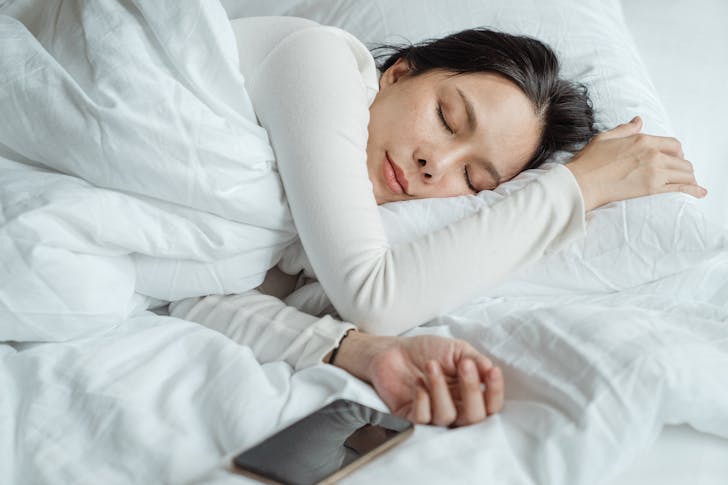
Ketut / Pexels / When schedules tighten, protecting seven to nine hours of sleep becomes essential.
Over time, sacrificing sleep shows consequences. You keep working out, but the results are slow. Recovery takes longer. Energy fades. Burnout creeps in quietly. The health cost of chronic sleep deprivation outweighs the benefit of tired workouts. Consistency matters more than intensity.
Build Health Around Sleep, Not Against It
Late-night hard training can interfere with sleep by keeping your system switched on. Earlier workouts tend to support better rest. Evening movement is best kept gentle—walking, stretching, or low-intensity mobility.
Stability helps. Go to bed and wake up at similar times. Step away from screens before sleep. Keep the bedroom cool and dark. Better sleep makes physical activity feel supportive rather than draining.
More in Health & Fitness
-
`
 Sharon Osbourne Admits She ‘Overdid’ Ozempic Weight Loss
Sharon Osbourne is not shy about speaking her mind, especially when it comes to her health. From surgery to strict diets...
June 9, 2025 -
GOLDEN AGE STARS WHO ARE STILL ALIVE AND DOING GREAT AT RETIREMENT!
Richard Dean Anderson – Age 74 Like other veteran actors who stay in the headlines for their excellent work, Richard is...
June 5, 2025 -
GOLDEN AGE STARS WHO ARE STILL ALIVE AND DOING GREAT AT RETIREMENT!
Richard Dean Anderson – Age 74 Like other veteran actors who stay in the headlines for their excellent work, Richard is...
May 27, 2025 -
GOLDEN AGE STARS WHO ARE STILL ALIVE AND DOING GREAT AT RETIREMENT!
Joely Fisher (57) -Burbank It’s fair to say that actress Joely Fisher was born with a great showbiz background since she’s...
May 26, 2025 -
GOLDEN AGE STARS WHO ARE STILL ALIVE AND DOING GREAT AT RETIREMENT!
Richard Dean Anderson – Age 74 Like other veteran actors who stay in the headlines for their excellent work, Richard is...
May 21, 2025 -
`
 Try This 30-Day Rule to Start Living a More Minimalist Life
Simplifying life doesn’t mean sacrificing comfort. It’s about clearing the clutter—physical and mental—to create room for what truly matters. The 30-day...
May 3, 2025 -
`
 The Surprising Health Benefits of Walking Backwards
Walking is one of the easiest ways to stay active, but it turns out there’s a lot more to it than...
April 25, 2025 -
`
 Grocery Prices May Climb as New Tariffs Hit Imported Food
Rising food prices are nothing new, but recent tariff plans could make everyday grocery staples even more expensive. A new round...
April 18, 2025 -
`
 Foods and Drinks to Avoid at the Airport, According to Experts
Airports are a hub of activity, offering a wide range of food and drink options as travelers rush to board their...
April 12, 2025
More From The Chef Pick
-
 Why You Should Prioritize Sleep Over Exercise for Optimal Health
For years, we have been told to move more, sweat daily, and never skip a workout. Sleep often gets treated like...
Health & FitnessJanuary 10, 2026 -
 Dolce By Tina: Sweet Cookie Hobbies Turn Into a Successful Baking Business
Some businesses start with a plan. Others start with a plate of cookies and a room full of friends. This one...
FoodJanuary 4, 2026 -
 Taylor Swift Honors Crew in Emotional Speech Before the Last ‘Eras’ Show
Taylor Swift has always said her shows are a team effort. In Vancouver, the 36-year-old pop queen proved it one last...
EntertainmentDecember 28, 2025 -
 How Food Can Change the Effectiveness of Your Medications
Food and medicine share an unexpected relationship inside the body. What’s meant to nourish can sometimes interfere with treatments, making them...
FoodSeptember 6, 2025 -
 Why Americans Are Choosing Puerto Rico as Their New Home
The appeal of Puerto Rico has shifted beyond quick vacations. What was once considered a convenient tropical getaway is now becoming...
LifestyleAugust 30, 2025
You must be logged in to post a comment Login